אנו משתמשים ב-Cookies כדי לשפר את החוויה שלך. כדי לקיים ההנחיה החדשה של e-Privacy, עלינו לבקש את הסכמתך להגדיר את ה-Cookies. קבלת מידע נוסף.

110.00 ₪
Egypt
110.00 ₪
ISBN13
9781509520497
יצא לאור ב
Oxford
זמן אספקה
21 ימי עסקים - לא במלאי בארץ
עמודים / Pages
264
פורמט
Paperback / softback
תאריך יציאה לאור
13 באוק׳ 2017
שם סדרה
Global Political Hot Spots
Egypt is one of the few great empires of antiquity that exists today as a nation state.
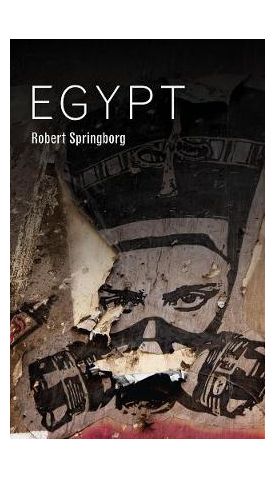

Egypt is one of the few great empires of antiquity that exists today as a nation state. Despite its extraordinary record of national endurance, the pressures to which Egypt currently is subjected and which are bound to intensify are already straining the ties that hold its political community together, while rendering ever more difficult the task of governing it. In this timely book, leading expert on Egyptian affairs Robert Springborg explains how a country with such a long and impressive history has now arrived at this parlous condition. As Egyptians become steadily more divided by class, religion, region, ethnicity, gender and contrasting views of how, by whom and for what purposes they should be governed, so their rulers become ever more fearful, repressive and unrepresentative. Caught in a downward spiral in which poor governance is both cause and consequence, Egypt is facing a future so uncertain that it could end up resembling neighboring countries that have collapsed under similar loads. The Egyptian hot spot , Springborg argues, is destined to become steadily hotter, with ominous implications for its peoples, the Middle East and North Africa, and the wider world.
| עמודים / Pages | 264 |
|---|---|
| פורמט | Paperback / softback |
| ISBN10 | 150952049X |
| יצא לאור ב | Oxford |
| תאריך יציאה לאור | 13 באוק׳ 2017 |
| תוכן עניינים | TABLE OF CONTENTS PREFACE CHAPTER ONE: ERODING HISTORICAL LEGACIES Causes of the uprising Why the uprising was not anticipated Why the uprising failed Consequences of the coup-volution Weakening state institutions Fraying political community Conclusion CHAPTER TWO: THE DEEP STATE PRESIDES: MILITARY, PRESIDENCY, AND INTELLIGENCE SERVICES A limited access order Despotic not infrastructural power: a fierce but brittle state Caught in a socio-fiscal trap The deep state tripod The military Intelligence services The presidency Conclusion CHAPTER THREE: UNDER THE THUMB--BUREAUCRATS, JUDGES AND PARLIAMENTARIANS Executive branch Penetration by the deep state Divided and ruled Hyper centralization Judicial branch Nominal autonomy and the carrot and the stick Institutionally isolated with restricted jurisdictions Parliament Selection not election Lurking behind the benches: subordination to the deep state Isolated and ungrounded: parliament cut off at the feet Conclusion CHAPTER FOUR: POLITICAL AND CIVIL SOCIETY--LITTLE ROOM TO BREATHE The Religious Christians MuslimsNofficial Islam MuslimsNIslamist organizations Jihadis Indiscriminate rather than selective deterrence Hobbled vanguards: youth and organized labor Conclusion CHAPTER FIVE: REAPING WHAT IS SOWN In search of a development model Rent seeking in lieu of development Human resources imperiled Physical and environmental decay Foreign policy adrift Conclusion CHAPTER SIX: THE ROCKY ROAD AHEAD |
Login and Registration Form